Professor and Head of CITA, Royal Danish Academy, Centre for Information
Watch live on Vimeo
Mette Ramsgaard Thomsen: Resilient Landscapes – Building for Bioregionality
W.M. Keck Lecture Hall
March 11, 2026 at 6:00pm
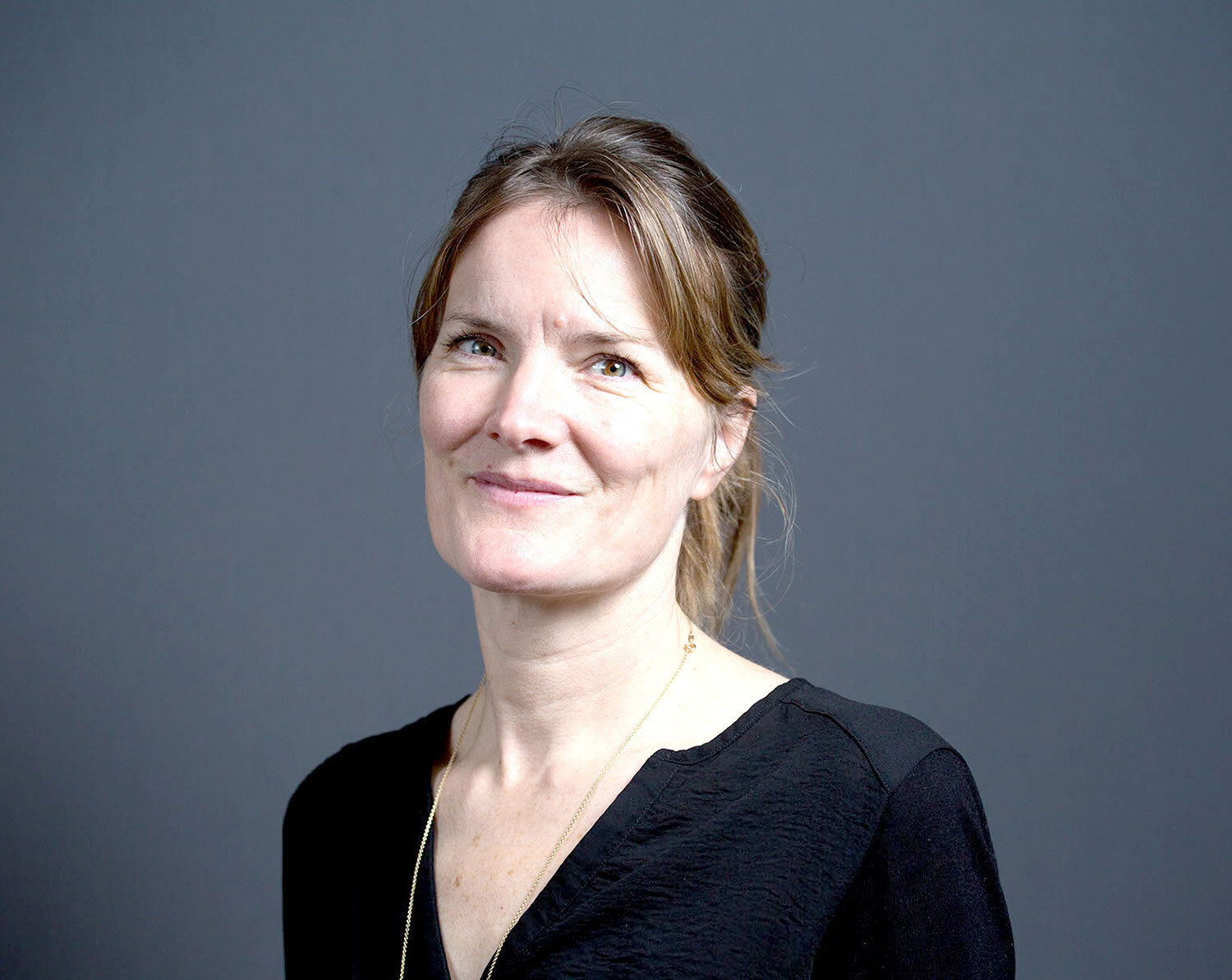
Mette Ramsgaard Thomsen is Professor of Architecture and Head of the Centre for Information Technology and Architecture (CITA) at the Royal Danish Academy. Since founding CITA in 2005, she has built and led an international research environment focused on architecture, computation, digital fabrication and bio-based material practice. Her work operates at the intersection of research, sustainability and international collaboration. She has led large interdisciplinary programs, secured long-term external funding including an ERC grant, and directed major international initiatives such as the Science Track of the UIA World Congress of Architects 2023 in Copenhagen. From 2022 to 2025, she served as Paul Philippe Cret Visiting Professor at the Weitzman School of Design, University of Pennsylvania.
Alongside academic leadership, her work unfolds through exhibitions, symposia, advisory roles and international partnerships across Europe, North America and Asia. She teaches across multiple institutions internationally and continues to develop workshops and collaborative programs in Europe and the United States. Her work operates at the intersection of architecture, sustainability, research and public engagement across academic and cultural contexts.
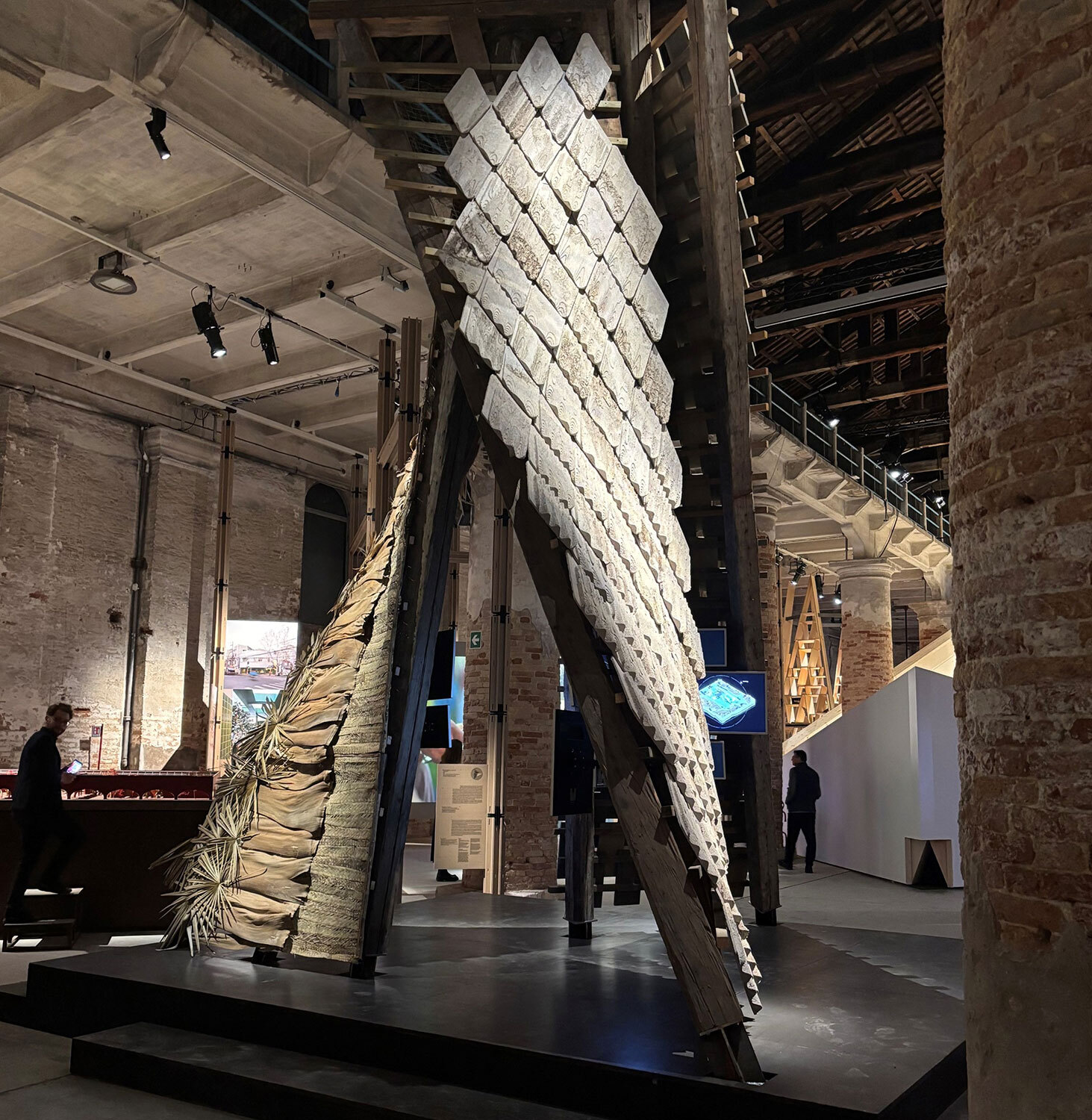
This talk explores how renewable, biologically derived materials can help us reimagine how resource is understood and deployed in architectural practice. The lecture examines malleability as a conceptual and material framework for responding to shifting ecologies, focusing on how biogenic systems allow us to understand architecture as fluid and transformational without fixed end points. Through examples from the CITA research practice as well as the UPenn research masters, the talk outlines how design can engage with cyclical processes of growth, repair, and decay to imagine a metabolistic space through which material passes through.