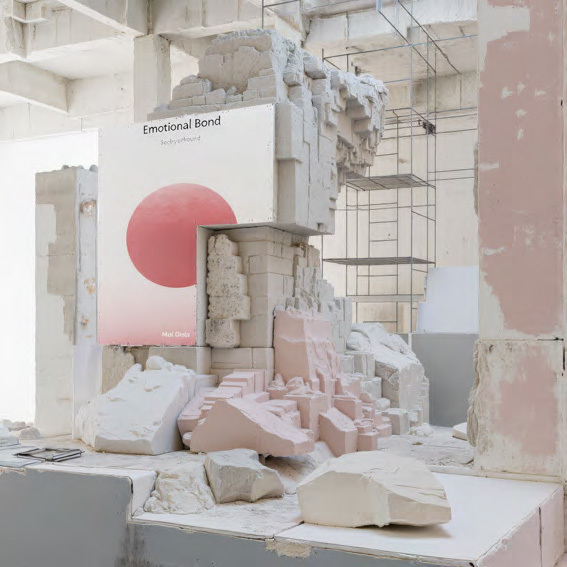
SCI-Arc’s Spring 2026 Vertical Studios Advance Design Intelligence Across Architecture, Technology, and Culture
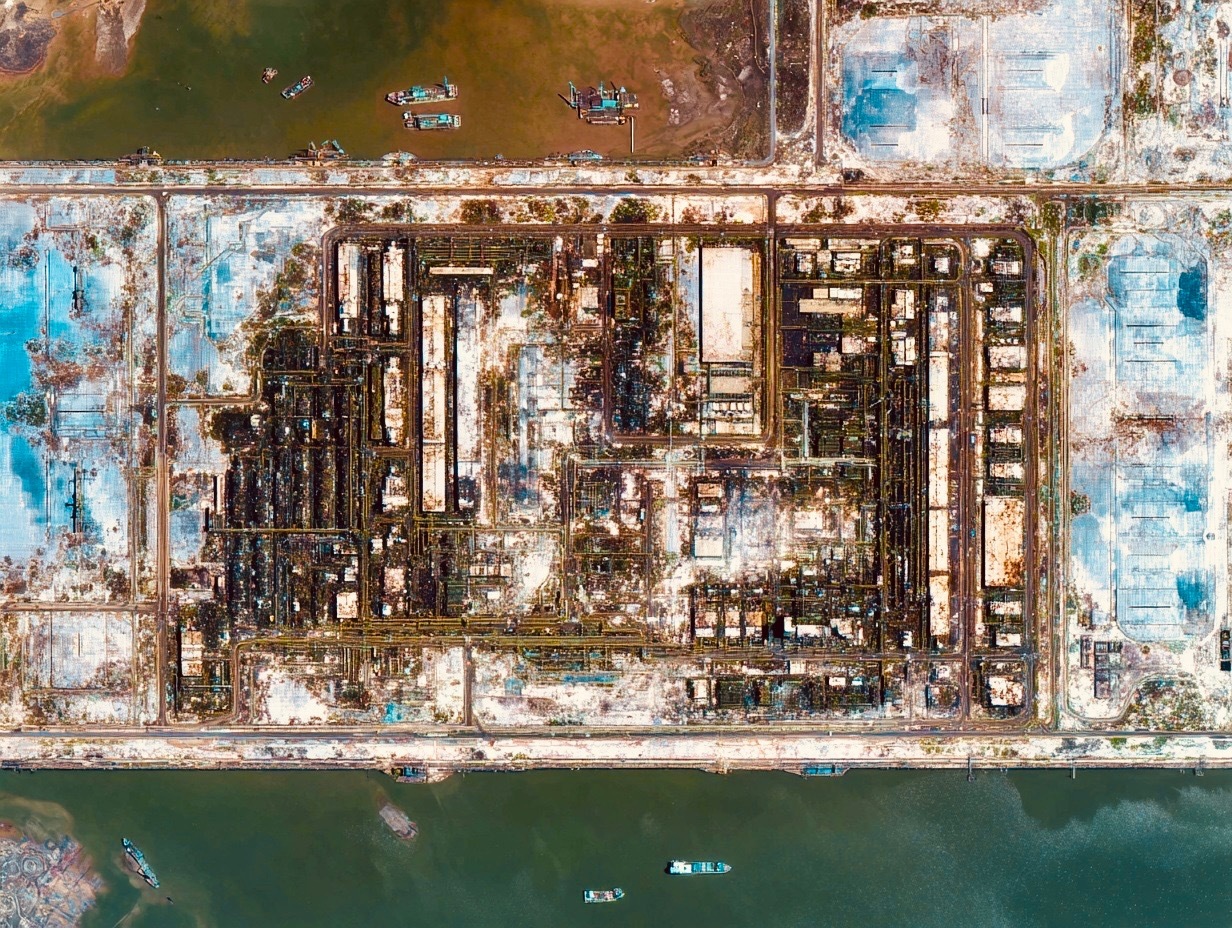
Project by Sam Lay
This spring, SCI-Arc’s Vertical Studios position advanced architectural education as a form of design intelligence: the ability to synthesize theory, technology, material systems, and cultural context into work that is both speculative and operative. Open to upper-level students across programs, the Spring 2026 Vertical Studios bring together renowned faculty to lead focused investigations that move beyond formal experimentation toward architectural thinking that acts in the world.
At SCI-Arc, design intelligence is not a style or a toolset. It is a mode of inquiry that treats architecture as an active system shaped by economic forces, environmental realities, technological infrastructures, and human experience. The Vertical Studios embody this approach by asking students to engage deeply with real conditions while developing new models for practice, research, and authorship.
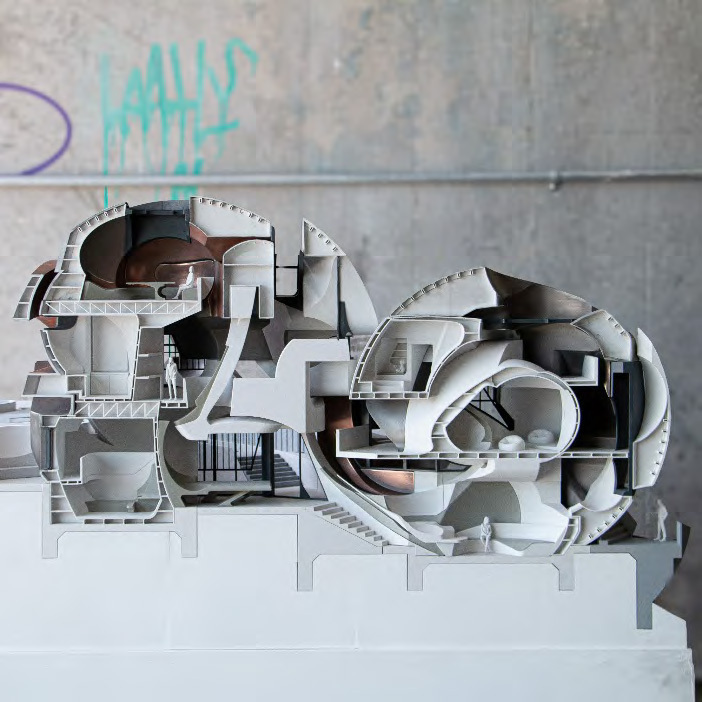
The Spring 2026 offerings span scales and agendas, from planetary landscapes and artificial intelligence to housing, cultural institutions, and civic infrastructure. David Ruy’s Synthetic Landscapes reframes environmental design through competing theories of abundance, challenging students to rethink sustainability not as optimization but as a question of how and where energy, matter, and value are expended. Michael Casey Rehm’s Architectural Technologies studio situates artificial intelligence as an architectural medium, guiding students through applied research, prototyping, and platform development that directly engages contemporary modes of production.
Jenny Wu’s Transformers studio uses puzzles, joinery, and reconfigurable systems to investigate how spatial intelligence emerges through assembly and transformation, while Michael Rotondi’s Roto Studio asks students to imagine architecture as a civic and professional framework, using a real development site in Southern California as a testbed for new models of mixed-use, collaboration, and life practice.

Other Vertical Studios extend this intelligence-driven approach across diverse territories. Florencia Pita explores the productive tension between precision and expression in landscape and architecture. Marcelo Spina investigates typology and interiority through the design of a national cultural institution in Ecuador, emphasizing section, depth, and environmental thickness over image-driven form. Margaret Griffin’s studio engages Southern California’s canyon lands and coastal infrastructure as active systems shaped by geology, climate, and public life. Devyn Weiser critically examines architectural standards and domesticity through circular economies, digital platforms, and material reuse, while Coy Howard’s studio centers creative authorship and self-knowledge as foundational architectural capacities.
Across all studios, students are asked not only to speculate, but to build arguments, prototypes, systems, and spatial proposals that demonstrate how architecture can operate with intelligence and agency. Research, modeling, drawing, fabrication, and emerging digital workflows are treated as interconnected tools for thinking and making.
Together, the Spring 2026 Vertical Studios reflect SCI-Arc’s commitment to design intelligence as a defining educational value. The work produced is forward-looking, but it is also grounded, rigorous, and responsive to the complex realities shaping the built environment today.